
5 Steps to Turn B2B Email Outreach Into a Predictable Revenue Channel
A practical framework for building scalable B2B cold email campaigns with precise targeting, domain protection, structured sequencing, and pipeline integration.
Email outreach delivers $26 for every $1 invested. Reply rates dropped 15% between 2025 and 2026. Most B2B teams operate without documented processes.
A strong B2B cold email strategy is built on targeting precision, protected domains, structured sequencing, and pipeline integration. When these elements are documented and controlled, outbound email stops being activity and becomes a predictable revenue channel.
Below is a practical 5-step framework used by B2B companies to build scalable email outreach campaigns without burning domains or damaging brand reputation.
Step 1: Build a Precise and Clean ICP List
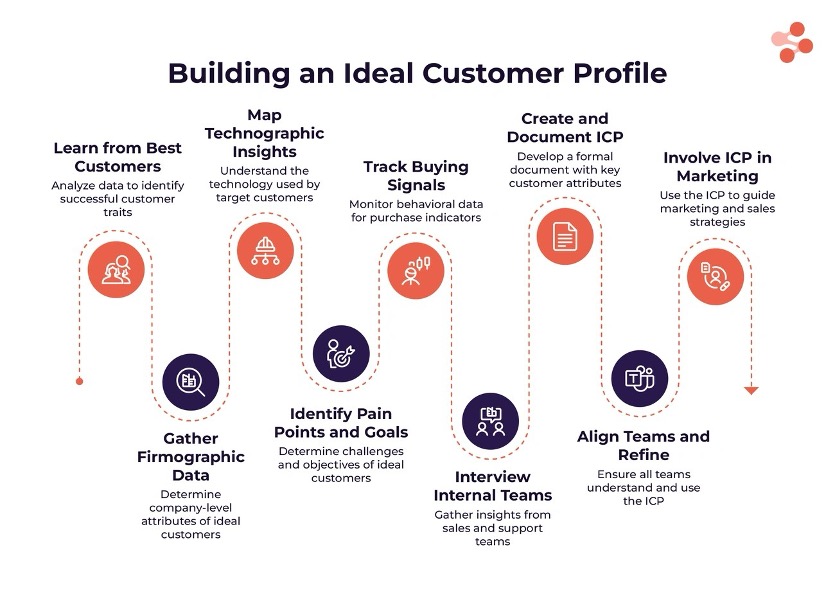
Every effective cold email for B2B companies starts with targeting clarity.
Sending 5,000 emails to loosely matched contacts will always underperform 1,000 messages sent to companies that genuinely fit your solution.
Define a Clear Ideal Customer Profile
An Ideal Customer Profile (ICP) describes company-level attributes that predict strong fit and long-term value. It is not a persona and not "any B2B company."
A structured ICP includes:
- Industry or vertical where your solution delivers measurable impact
- Company size aligned with your pricing and sales model
- Geography where you can legally and operationally sell
- Technology stack compatibility
- Growth signals (hiring, funding, expansion)
- Budget capacity
Avoid overly broad targeting like "companies with 100-700 employees." Organizations at different maturity levels require different messaging and positioning.
Start with CRM analysis. Review your best-performing accounts. Identify patterns in deal size, retention, and expansion. Build your ICP from data - not assumptions.
Source and Validate Data Properly
Never rely on bulk purchased databases. These lists are often outdated and heavily resold, which increases bounce rates and damages email deliverability.
Instead, build lists manually using structured filtering tools such as:
- Apollo
- Clay
- Snov io
Layer firmographic filters with buying signals:
- Recent funding
- Hiring activity
- Market expansion
- Technology changes
Strong email deliverability for cold outreach depends heavily on list quality. Always validate email addresses before sending. Remove hard bounces immediately and re-verify active lists on a consistent schedule.
List precision is the foundation of every scalable outbound email strategy.
Step 2: Protect and Warm Up Your Sending Infrastructure
Even perfectly written emails fail without proper infrastructure.
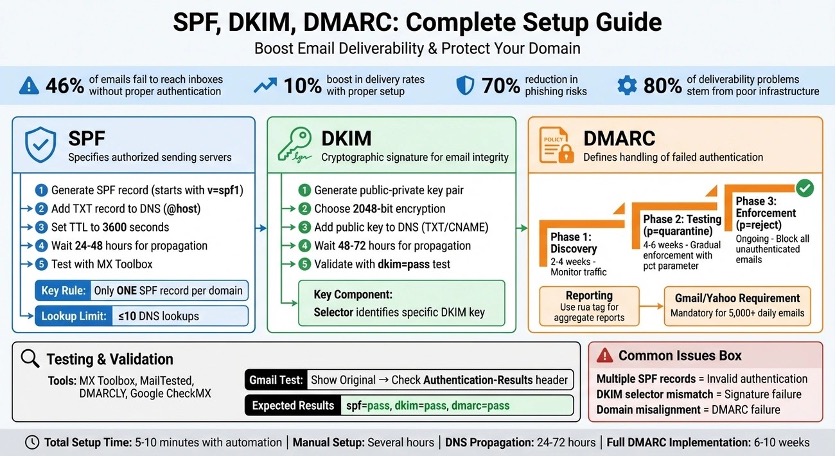
Email providers evaluate sender reputation based on authentication setup, sending patterns, and engagement signals. Without correct configuration, your messages will land in spam regardless of content quality.
Set Up Authentication Correctly
Each sending domain must have:
- SPF configured
- DKIM configured
- DMARC configured
These protocols verify legitimacy and protect your reputation. Misconfigured authentication is one of the most common reasons B2B cold email campaigns underperform.
Verify setup before launching any campaign.
Use Secondary Domains for Cold Outreach
Never send cold email from your primary domain.
Instead, register secondary domains closely aligned with your brand. These operate independently and protect your core business communications.
Warm up domains gradually. Begin conservatively and increase volume only when performance metrics remain stable.
Consistency matters more than speed. Sudden spikes in sending volume increase spam risk and damage reputation.
Monitor Domain Health
Use tools such as Google Postmaster Tools and Microsoft SNDS to monitor reputation and spam placement.
Watch for:
- Increased bounce rates
- Complaint spikes
- Sudden engagement drops
Protecting infrastructure is essential to long-term outbound email strategy success.
Step 3: Build a Structured 4-6 Step Email Sequence
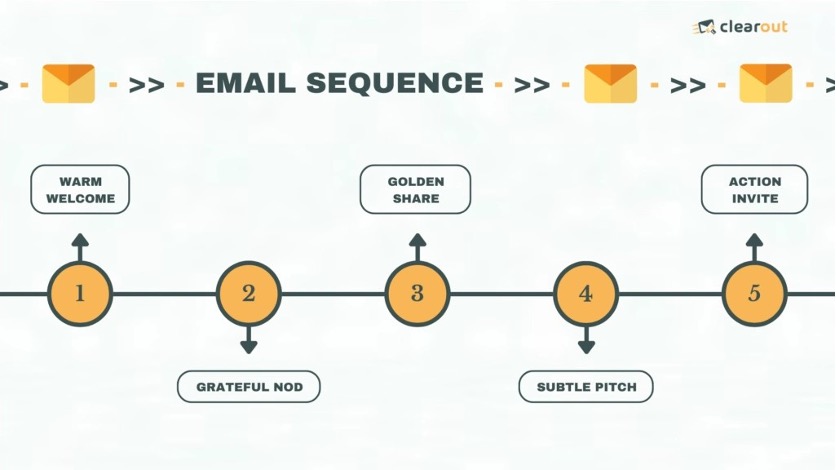
Single emails rarely generate predictable results. Structured sequences do.
A well-designed B2B email campaign structure creates controlled repetition without overwhelming prospects.
Map Each Email to a Clear Objective
Each message must introduce new value. Repeating the same pitch reduces replies and increases spam complaints.
A typical structure looks like:
- Short intro email focused on one problem
- Credibility follow-up with relevant proof
- Insight-based message reframing a challenge
- Value-driven touchpoint (framework, perspective, quick tip)
- Breakup or close-loop message
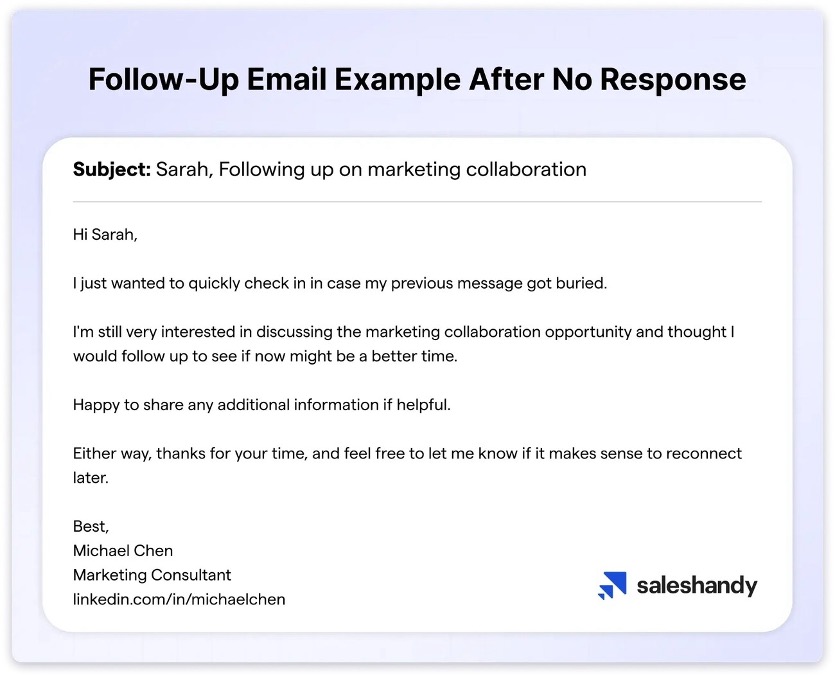
Avoid generic "just checking in" follow-ups. Each touchpoint must justify its existence.
Keep Emails Short and Focused
Concise, text-only emails consistently outperform long messages.
Avoid heavy formatting, images, and attachments in cold outreach. Focus on one pain point and make a low-friction ask:
- "Would this be relevant?"
- "Open to a short conversation?"
A structured B2B cold email strategy prioritizes clarity over persuasion tricks.
Even when outreach starts via email, many prospects check the sender’s LinkedIn profile before replying. A weak profile can reduce credibility and silently lower reply rates. Make sure you optimize your LinkedIn profile for conversions.
Step 4: Apply Strategic Follow-Up Timing
Timing influences both reply rates and brand perception.
Sending too frequently creates pressure. Waiting too long kills momentum.
Recommended Cadence
A structured timing model often includes:
- First follow-up: 3-4 business days after initial message
- Next 1-2 follow-ups: spaced 4-8 business days apart
- Later touches: 10-20 days apart
Avoid weekend or holiday sending for initial outreach. Do not follow up one day later unless engagement signals justify it.
If no engagement occurs after multiple attempts, send a short breakup message and close the loop respectfully.
Strategic timing supports reply rate optimization while protecting domain health.
Use Engagement Signals
Adjust cadence based on behavior:
- Opens without replies may justify earlier follow-up
- Clicks indicate stronger intent
- Zero engagement requires longer spacing
Controlled timing improves response quality without increasing risk.
Step 5: Filter Replies and Integrate Email into a Predictable Pipeline
Replies alone do not generate revenue.
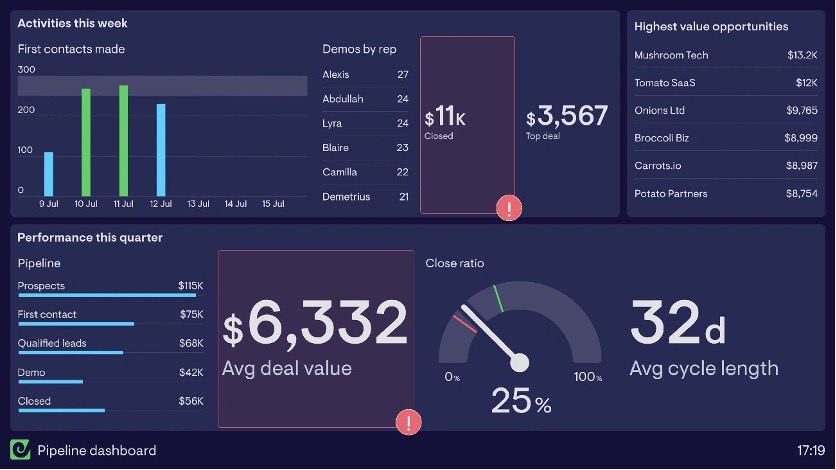
To transform email into a predictable channel, it must integrate into your broader pipeline system.
Qualify Based on Fit and Intent
Every response should be evaluated using two filters:
- Fit - Does the company match your ICP?
- Intent - Are they actively exploring solutions?
High fit + high intent = prioritize
High fit + low intent = nurture
Low fit = disqualify early
Strong outbound email strategy focuses on qualified conversations, not vanity metrics.
Track Conversion Beyond Reply Rate
Reply rate is only the starting metric.
More meaningful indicators include:- Reply-to-qualified conversation rate
- Reply-to-meeting rate
- Meeting-to-opportunity rate
- Pipeline generated from email
Outbound email becomes predictable only when tied directly to revenue metrics.
To see how email integrates into a larger acquisition system, explore our framework for building a predictable B2B sales pipeline.
Email should not operate in isolation.
In many structured outbound systems, email works alongside LinkedIn as a parallel acquisition channel. You can explore how structured LinkedIn outreach integrates into a broader system.
If you prefer to implement this with experienced operators managing infrastructure, sequencing, and deliverability for you, explore our B2B email outreach services.