
How to Build a Predictable B2B Sales Pipeline: From Lead Generation to Closed Deals
Learn how to build a scalable B2B sales pipeline with structured qualification, multi-channel outbound strategy, and data-driven forecasting for predictable revenue growth.
Did you know that 77% of B2B companies report their latest deal was complex or difficult?
Building a B2B sales pipeline has become increasingly challenging in today's market. With finding quality leads ranking among the top 3 challenges for sales teams and the average buyer journey lasting 192 days (some beyond a year), predictability in your sales process is more crucial than ever.
The numbers tell a clear story. Closing deals requires 62 touches across 3 or more channels, while 40% of businesses fail to hit revenue goals. However, there's a strategic solution to this complexity.
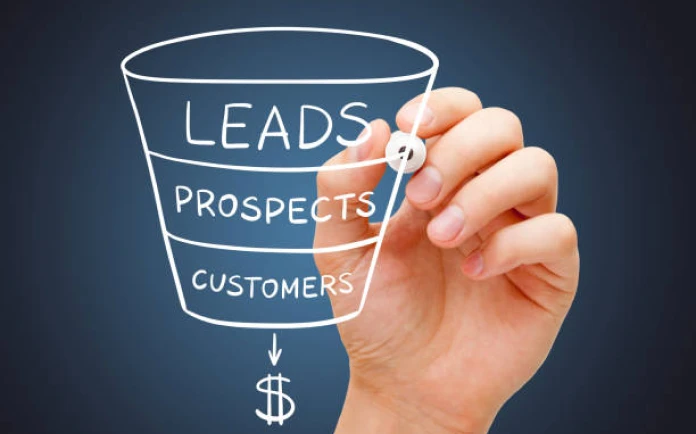
A well-structured B2B sales pipeline serves as a visual representation of your sales process, allowing your team to guide prospects through different journey phases until purchase. More importantly, a maintained and consistent sales pipeline ensures no sales-qualified leads are overlooked, creating predictable growth for your business.
In 2026, predictable B2B growth increasingly depends on building a scalable lead generation system supported by multi-channel outbound strategy, structured qualification, and data-driven sales forecasting. Companies that treat pipeline building as a system — not a series of campaigns — create significantly more stable revenue streams.
By 2025, Gartner research projects 75% of B2B sales organizations will augment traditional sales playbooks with AI-guided selling solutions - but technology alone isn't enough. Success requires a strategic approach to pipeline management that combines human expertise with the right tools and frameworks.
This guide will show you how to build a predictable B2B sales pipeline that delivers results - from defining your ideal customer profile to implementing effective qualification frameworks that move prospects efficiently toward closed deals.
Start with ICP and Buyer Persona Clarity
The foundation of a predictable sales pipeline begins with clearly defining who you're selling to. Many B2B organizations struggle with sales predictability because they target too broadly or rely on assumptions rather than data.
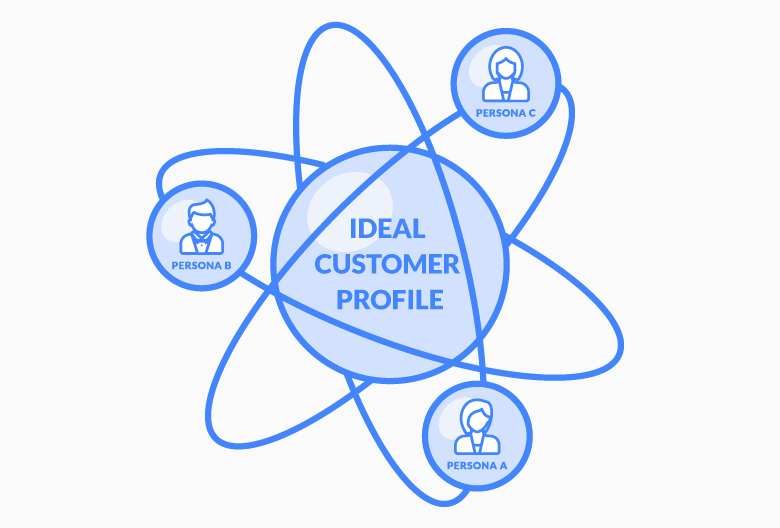
Building an effective sales pipeline starts with two critical elements: your Ideal Customer Profile (ICP) and buyer personas. Though often confused, these components serve distinct purposes in your sales strategy.
An ICP describes the type of company that's the best fit for your product, typically outlining industry, headcount, revenue, tech stack, location, and buying behavior. Conversely, a buyer persona represents the individual decision-makers within those companies who influence or make purchasing decisions.
Companies with documented personas exceed revenue and lead goals 71% more often than those without, and experience 73% higher conversions from response to marketing qualified lead. Establishing this clarity isn't just good practice — it's essential for pipeline predictability.
What makes a good B2B buyer persona
A strong B2B buyer persona goes beyond basic demographics to capture the essence of your decision-makers. Unlike simplistic approaches that focus on personality traits or appearance, effective personas emphasize the reasons why people buy.
Good buyer personas should include:
- Job-specific details: Role, responsibilities, KPIs, and decision-making authority
- Professional challenges: Pain points, objectives, and obstacles they face
- Buying behavior: How they research solutions and their preferred communication channels
- Decision criteria: What factors influence their purchasing decisions
According to Gartner, a typical B2B buying group consists of 6 to 10 people, each with their own values and interests. Additionally, these buyers typically consume 13 pieces of content before making a purchase decision. This complexity makes detailed personas crucial for pipeline development.
When creating personas, avoid the common mistake of relying solely on assumptions. Instead, gather insights from multiple sources including customer interviews, sales team feedback, and current client data. Focus specifically on the reasons behind purchases — the jobs to be done (JTBD) approach helps keep efforts centered on why prospects buy.
How to validate your ICP with real data
A well-defined ICP acts as a filter that helps sales know who not to sell to, prevents marketing from attracting poor-fit leads, and gives product teams clarity about prioritization. Yet many companies create ICPs based on gut feelings rather than evidence.
To validate your ICP effectively:
First, quantify the lift for each attribute you believe matters (industry, size, tech stack, etc.) by comparing key metrics between accounts that match versus those that don't. Specifically analyze:
- Win rates
- Deal sizes
- Sales cycle length
- Customer acquisition cost/payback period
- Net revenue retention
For existing businesses, enrich your customer list with demographic data, then combine it with product information like use cases, product usage, and churn rates. Look for patterns around which types of companies churn least, pay most, and implement most easily.
For newer companies without substantial customer data, start by examining the problem you're solving and identifying who experiences it. Book discovery calls with potential customers to test enthusiasm, willingness to try your solution, and readiness to pay.
Remember to validate separately for new logo acquisition versus expansion opportunities, as ICPs often differ between these motions. Create both a positive ICP (who to target) and a negative ICP (who to avoid), updating these quarterly as markets shift.
By establishing data-validated ICPs and detailed buyer personas, you create the foundation for a predictable B2B sales pipeline — one where you're consistently targeting the right companies and speaking to the right decision-makers with relevant messaging.
Build Your Sales Pipeline from Scratch
Once you've established your ICP and buyer personas, the next crucial step involves creating the actual structure through which deals will flow. A properly constructed sales pipeline serves as your revenue roadmap — showing where each deal stands and what it will take to move it forward.
Choosing the right pipeline stages
The stages in your B2B sales pipeline must reflect your company's unique sales process. While generic templates abound, effective pipelines require customization to match your specific buyer journey. Research shows top-performing sales teams create repeatable, proven sales processes that allow personalization within a structured framework.
For maximum effectiveness:
- Create action-oriented stage names (e.g., "Discovery" not "Initial Contact")
- Define clear exit criteria for each stage — the specific activity that must be completed before moving forward
- Ensure your process is linear, without skippable steps
- Assign win probability percentages to each stage for accurate forecasting
Furthermore, consider how stage terminology will impact cross-functional alignment. One effective approach is creating standardized language for each stage of your sales cycle, enabling clearer communication and collaboration across all teams.
Setting up your CRM for visibility
If you're managing a full pipeline without a CRM, you're playing with fire. Modern CRM platforms centralize your entire sales process, providing critical visibility into each opportunity's status, history, and next steps.
When configuring your CRM:
- Set up alerts for deals that spend too long in any stage
- Cap the number of stages at six to prevent overcrowding
- Consider creating separate pipelines for different target markets or geographies
- Implement regular data hygiene practices to avoid duplicate or incomplete records
Above all, ensure your CRM becomes your single source of truth. This enables real-time pipeline visibility without requiring constant status meetings or manual updates.
Aligning pipeline with sales process
A common pitfall in B2B sales is creating pipeline stages that don't match your actual sales process. To enable accurate forecasting and decrease ramp time for new representatives, mapping your sales process to a simple, meaningful pipeline is essential.
In essence, each pipeline stage should include:
- Associated sales activities (specific tasks that must be completed)
- Required documentation or information
- Defined stakeholder involvement
- Clearly communicated exit criteria
Consider establishing unique roles on your sales team based on individual strengths. Create outbound prospecting roles alongside inside sales teams that engage inbound inquiries, then hand opportunities to experienced closers — creating a system driving growth while maintaining high customer service.
Remember that your pipeline isn't just for tracking deals — it represents your strategy in motion, showing where to focus efforts and how revenue is being won or lost.
Outbound Prospecting That Works

Effective prospecting remains one of the most crucial yet challenging aspects of building a B2B sales pipeline. With studies showing that 73% of B2B leads receive irrelevant marketing messages, strategic outbound prospecting can significantly differentiate your approach from competitors.
Personalized outreach vs. mass messaging
Generic messaging simply doesn't work in today's competitive B2B environment. In fact, 67% of B2B buyers report frustration when messages aren't personalized. Consequently, successful outreach requires tailoring communications beyond just using someone's name. In practice, sustainable outbound performance often requires a structured system rather than isolated campaigns. For example, a well-designed LinkedIn lead generation service allows companies to engage decision-makers with controlled personalization and measurable pipeline impact.
One of the most overlooked outbound channels in this system is conferences. When approached correctly, they allow you to pre-book meetings, engage prospects in person, and extend conversations into post-event campaigns. Here’s how to structure that approach in practice: conference lead generation for B2B.
For a detailed breakdown of execution steps, targeting structure, and qualification systems, explore our guides on LinkedIn B2B lead generation, B2B email outreach, and how to optimize your LinkedIn profile for B2B lead generation.
Effective personalization includes:
- Referencing specific pain points and challenges
- Mentioning recent company news or developments
- Highlighting the most relevant product features
- Including success stories from similar customers
High-performing teams recognize that personalization at scale means focusing on quality over quantity. Their messages demonstrate an understanding of the prospect's industry, company size, and specific challenges — establishing credibility from the first touchpoint.
Using automation without losing the human touch
Modern sales automation tools solve a fundamental challenge: if sellers get stuck doing manual work, deals slow down. Yet automation alone isn't enough — it must enhance rather than replace human connection.
The most effective approach combines AI-driven efficiency with strategic human intervention. For example, automation can handle research, initial outreach, and basic follow-up, while sales representatives focus on building relationships and managing complex interactions. This partnership allows technology to handle routine tasks while humans excel at fostering trust.
Combining LinkedIn outreach with structured email outreach services significantly increases visibility across buying groups and shortens response time in complex B2B environments.
Studies show companies using AI are seven times more likely to hit sales targets, primarily because these tools free representatives to focus on high-value interactions that require personal touch.
Following up without being pushy
The data is clear: 48% of sales representatives never follow up, yet research shows the first B2B cold email follow-up yields 31% more responses at the three-day mark. The challenge lies in persistence without pestering.
For effective follow-ups:
- Set expectations early: During initial meetings, agree on next steps and follow-up timelines so your contact anticipates your outreach.
- Be persistent but polite: Each follow-up should serve a purpose — providing additional information, answering questions, or simply checking in.
- Leverage multiple channels: Don't rely solely on one method. Multi-channel outreach campaigns see 287% higher response rates compared to single-channel efforts.
- Respect the prospect's time: After multiple attempts with no response, send a final "break-up" email acknowledging the lack of response and offering to reconnect later — this often elicits a reply by removing pressure.
Remember that in B2B sales, decision-making processes typically involve multiple stakeholders and complex internal processes. Your well-timed follow-up might provide the necessary push to move the process forward, helping the prospect prioritize your proposal among their many tasks.
Qualify and Advance Leads Effectively
Qualifying leads separates sales organizations that consistently hit targets from those struggling with unpredictable results. The qualification process acts as your pipeline's quality control system, ensuring you invest time in opportunities worth pursuing.
Using BANT, CHAMP, or MEDDIC frameworks
In complex B2B sales, structured qualification frameworks give you a consistent method to determine which opportunities deserve your attention. Each framework offers distinct advantages based on your selling environment:
BANT (Budget, Authority, Need, Timing) remains widely referenced in 2025-2026 despite its origins at IBM decades ago. BANT works best for simpler B2B deals and high-volume qualification, particularly as a pre-filter before investing significant field time. Nevertheless, in today's buying environment, budget often gets created after building a strong business case — making this framework somewhat limited for complex sales. CHAMP (Challenges, Authority, Money, Prioritization) flips BANT's focus to be more buyer-centric, starting with problems rather than budget constraints. This framework excels in consultative sales environments where pain and priorities matter more than rigid budget discussions, making it particularly effective for face-to-face discovery visits. MEDDIC (Metrics, Economic Buyer, Decision Criteria, Decision Process, Identify Pain, Champion) provides the most comprehensive approach for enterprise, multi-stakeholder deals with long cycles. Modern B2B content consistently positions MEDDIC as the go-to framework for high-ACV environments, especially in SaaS. For field sales teams, MEDDIC helps determine which accounts deserve repeat, high-touch visits.Discovery call tips to uncover real pain
Discovery calls occur after prospects show initial interest, serving as your opportunity to determine fit and uncover motivations. Throughout these conversations, your primary task is identifying the prospect's pain points and their root causes.
To run effective discovery calls:
- Research the prospect's company before the call
- Keep the first 5 minutes focused on building rapport
- Aim to listen as much as you speak — top performers talk roughly 50% of the time
- Use the POWERFUL framework: Problem, Opportunity cost, Wants, Executive influence, Resources, Fear of failure, Unequivocal trust, Little things
Questions that uncover genuine pain include: "What's your biggest priority this year?", "What challenges are you facing?", and "How have you tried solving it and how did it go?". Moreover, quantifying the opportunity cost helps establish urgency by showing the status quo is expensive.
Scoring leads for prioritization
Lead scoring helps sales teams rank potential customers by assigning values based on behavior, demographics, and engagement with your business. This process measures lead quality and determines conversion likelihood, helping teams be more productive with qualification time.
Your scoring model can incorporate several data types:
- Demographic (job title, location, budget)
- Company (industry, size, type)
- Behavioral (email engagement, social media interaction)
- Spam (negative scoring for junk information)
To implement effective scoring:
- Calculate your baseline lead-to-customer conversion rate
- Define your ideal customer attributes
- Calculate close rates for each attribute
- Compare attribute close rates with your baseline conversion
Ultimately, the goal is to focus your efforts on prospects most likely to convert, improving ROI and shortening sales cycles.
Lead generation without structured execution creates unstable revenue. Many B2B companies therefore extend pipeline development into full-cycle deal progression through dedicated business development services that ensure qualified opportunities consistently move toward closed deals.
Avoiding Mistakes That Break Predictability
Even the most well-designed B2B sales pipeline can collapse without proper maintenance and vigilance. Preventing breakdowns requires identifying common pitfalls that undermine predictability.
Inconsistent qualification criteria
Variability in lead qualification creates unreliable forecasts. Subjective judgment and biases lead to inconsistent evaluations, causing promising leads to be overlooked. Establish standardized frameworks — bake qualification criteria into CRM workflows, templates, and talk tracks so reps don't improvise. Thereafter, train teams to use consistent definitions across every discovery call and deal review.
Overloading pipeline with unfit leads
Stuffing your pipeline with poor-fit prospects creates a false sense of momentum that rarely translates to revenue. Studies show 61% of marketers send all leads directly to sales, yet only 27% are qualified. Unfortunately, this wastes valuable selling time and distorts forecasts. Define what sales-ready leads look like based on your CRM data, analyzing win rates by company size, industry, and buyer persona.
Neglecting post-sale follow-up
The customer relationship doesn't end at contract signing. Research indicates 88% of customers consider the post-sale experience as important as the product itself. Essentially, neglecting follow-up jeopardizes retention and expansion opportunities. Implement a structured post-sale strategy with personalized support, timely communication, and regular feedback collection.
Focusing only on late-stage deals
A healthy pipeline must be full, moving, and balanced. Salespeople typically obsess over hot opportunities while neglecting prospecting activities. This imbalance signals revenue trouble ahead. Ensure your pipeline has opportunities across various stages to maintain consistent deal flow and predictable revenue.
Conclusion
Building a predictable B2B sales pipeline isn't merely a sales tactic — it's a structural growth decision.
Clearly defined ICPs, structured pipeline stages, multi-channel outbound strategy, and disciplined qualification create the foundation for forecasting accuracy and scalable revenue.
However, pipeline predictability rarely fails because of activity volume. It fails because of structural gaps.
Review your:
- ICP definition
- Multi-channel outreach alignment
- Qualification criteria
- Deal progression logic
Even small structural improvements can dramatically increase meeting generation and forecasting stability.
If you want an external perspective on how to strengthen your outbound architecture and build a more predictable B2B pipeline, a strategic consultation can help identify bottlenecks and unlock growth opportunities.
Predictable revenue is engineered through structure — not chance.