
LinkedIn B2B Lead Generation Strategy: A Practical Framework for 2026
Learn how to build a structured LinkedIn B2B lead generation strategy using precise targeting, qualification systems, and multi-channel integration.
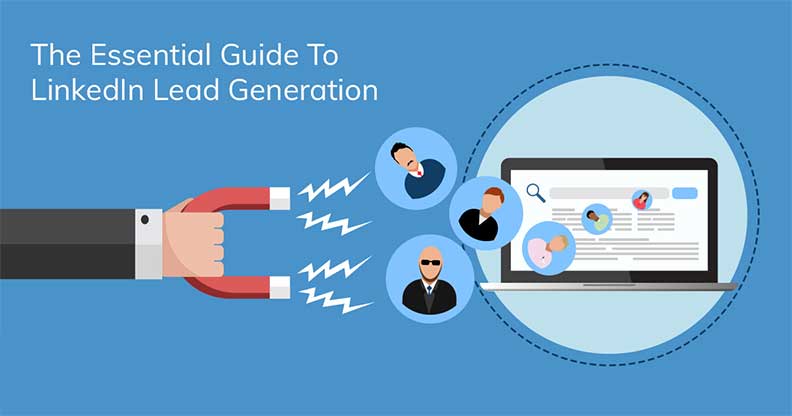
LinkedIn remains the most structured B2B prospecting environment available today. With over one billion professionals and real-time visibility into company structures, it provides direct access to decision-makers across industries.
However, consistent results do not come from sending more connection requests. They come from building a structured system — one that aligns targeting, messaging, qualification, and multi-channel integration into a repeatable acquisition framework.
Before scaling outreach activity, it is important to make sure your profile supports your positioning. Prospects often check the sender’s profile before replying to a message, and weak positioning can immediately reduce trust. Here is a complete guide on LinkedIn profile optimization for B2B lead generation.
When executed strategically, LinkedIn becomes more than a prospecting tool. It becomes a controllable and scalable growth channel.
Why LinkedIn Still Works for B2B Lead Generation
B2B sales cycles are complex. They involve multiple stakeholders, extended evaluation periods, and higher financial commitments. LinkedIn fits naturally into this environment because it allows direct access to relevant professionals without gatekeepers.
Unlike traditional outbound methods, LinkedIn provides:
- Full transparency into job roles and reporting structures
- Real-time trigger events (new hires, promotions, funding rounds)
- Context around professional interests and engagement behavior
This level of visibility allows sales teams to approach prospects at the right time and with the right context.
For companies building a predictable B2B sales pipeline, LinkedIn plays a critical role in initiating structured conversations with qualified decision-makers.
The 5-Step LinkedIn B2B Lead Generation Framework
1. Define a Precise ICP
Targeting begins with clarity. Company size, industry, growth stage, and internal structure determine fit. Decision-maker authority, budget control, and operational pain points determine relevance. Broad ICP definitions create activity without quality. Precision improves conversion rates.
2. Build Targeted Prospect Lists
Use Sales Navigator filters to segment prospects by title, company size, geography, industry, and recent trigger events. Trigger-based targeting increases response probability because timing aligns with business priorities.
3. Develop Context-Based Outreach
Personalization demonstrates relevance. Effective LinkedIn outreach references role-specific challenges, recent company developments, or shared context. Initial messages should prioritize engagement over pitching.
4. Implement Structured Qualification
Not every reply represents a sales opportunity. Conversations should be filtered through budget, authority, need, and timeline criteria before moving to meetings. Structured qualification protects pipeline quality and improves forecasting accuracy.
5. Convert Qualified Conversations to Meetings
Once qualification criteria are met, transition should be frictionless. Provide clear agendas, defined objectives, and simple scheduling to remove booking barriers.
Common Mistakes That Reduce LinkedIn Performance
Generic Messaging
Prospects receive dozens of identical connection requests daily. Generic outreach reduces credibility and response rates. Precision always outperforms volume.
Poor Targeting
Job titles alone do not indicate buying intent. Firmographic filters and operational context must complement title targeting.
No Qualification Layer
Without structured filtering, teams mistake engagement for genuine buying intent. Predictable growth depends on disciplined qualification.
Relying on LinkedIn Alone
Professional LinkedIn lead generation services integrate LinkedIn with email outreach and multi-channel sequencing to increase recognition and improve response rates across buying committees.
Multi-Channel Integration
Single-platform strategies limit performance. Combining LinkedIn visibility with structured email outreach increases recognition and engagement. Decision-makers consume information across platforms, and coordinated sequencing improves conversion probability.
LinkedIn works best as part of a structured outbound system rather than as a standalone tactic.
Conclusion
LinkedIn B2B lead generation delivers measurable results when supported by precise targeting, contextual outreach, structured qualification, and multi-channel coordination.
Without system architecture, outreach becomes inconsistent. With it, LinkedIn becomes a predictable acquisition channel.
Ready to Turn LinkedIn Into a Predictable Acquisition Channel?
LinkedIn works — but only when supported by the right targeting logic, messaging framework, and qualification process.
Book a strategy call to review your current LinkedIn setup and explore how to build a scalable B2B acquisition system aligned with your growth goals.