
Conference Lead Generation for B2B: Pre-Event, On-Site, and Post-Event Strategy
A complete framework for B2B conference lead generation. Pre-event targeting, on-site execution, and post-event outreach that converts events into predictable pipeline.

Most companies attend conferences and leave with nothing but a stack of business cards that never turn into real conversations.
Conference lead generation remains one of the most misunderstood B2B channels. The problem is not the event itself — it’s how companies approach it. Most treat conferences as networking opportunities, when in reality they should be treated as structured outbound campaigns.
Conferences don’t generate pipeline on their own. Results come from systematic execution: targeting the right people before the event, running structured meetings on-site, and following up strategically afterward.
This framework is based on real workflows used in B2B lead generation. It breaks down what to do before the event, how to operate during it, and how to turn conversations into pipeline after it — without relying on random networking or luck.
If you spend the next 9 minutes on this guide, you’ll understand how to turn conferences into a predictable outbound channel — and why, in our experience, this approach can generate 30+ qualified leads per event.
Pre-Event Conference Lead Generation Preparation
Companies register for conferences and expect results. That fails. Pre-event preparation determines pipeline outcomes. In our experience, starting outreach earlier than 4 weeks reduces response rates, while starting later leads to fully booked calendars.
When to Start Outreach (2–4 Weeks Before)
Begin outreach 2 to 4 weeks before the event. Earlier means uncommitted attendees. Later means blocked calendars.
Two weeks creates optimal timing. Attendees have confirmed participation. Event remains top-of-mind. Schedules allow flexibility. This window converts meeting requests into booked appointments.
Monitor conference announcements via event websites and LinkedIn. Build target lists immediately when attendee data releases. Speed matters. Competitors target identical prospects.
How to Use Attendee Lists and Event Apps
Attendee lists drive targeted outreach. Conferences publish lists or use platforms like Swapcard, Brella, or Whova. These show attendance with company details and roles.
Download complete attendee lists. Export to spreadsheets. Filter by job title and company size. Identify qualified prospects matching ideal customer profiles.
Event apps enable direct messaging but messages disappear in notification streams. Use apps for target identification. Move conversations to LinkedIn or email. Reserve app messaging for event-day confirmations.
Cross-reference attendee data with LinkedIn profiles. Verify target criteria matches. Research company context and individual roles. This preparation increases response rates substantially.
LinkedIn + Email Outreach Strategy Before the Event
LinkedIn and email outperform event apps for pre-event contact. Send LinkedIn connection requests mentioning the conference. Follow with meeting proposals once connected.
LinkedIn plays a central role in pre-event outreach, especially when used as part of a structured outbound strategy.
Email performs equally with verified addresses. Cold email tools enable personalized outreach at scale. Reference conferences in subject lines. Keep messages brief. Propose specific meeting times and locations.
Target 8 to 12 pre-booked meetings per event. This establishes foundation structure. On-site conversations fill remaining opportunities. Without scheduled meetings, conference days become unproductive chaos.
Send follow-up messages to non-responders three days before events. People review schedules closer to dates. Second touchpoints capture missed initial messages.
How to Position Messages (Focus on Meetings, Not Selling)
Message positioning controls response rates. Sales pitches in pre-event messages kill conversations. Book meetings, not product demos.
Reference conferences for shared context. Mention specific connection reasons based on company or role. Propose brief meetings during events. Suggest fixed times and locations for easy acceptance.
Eliminate vague requests like "let's connect at the event." Be specific. Offer two time options. Name locations near venues. Remove decision friction.
Keep messages under 80 words. Shorter gets read and answered. Long paragraphs signal sales approaches and get ignored.
Example Outreach Messages
LinkedIn message structure: "Saw you're attending [Event Name]. I'm working on [relevant problem] for [industry] companies and think there's overlap with what [their company] does. Are you free for a 20-minute meeting on [Day] at [Time]?"
Email that books meetings: "Subject: Quick meeting at [Event Name]? / Hi [Name], I'll be at [Event] next week and wanted to see if you have 20 minutes to discuss [specific topic relevant to their role]. I'm available Tuesday at 2pm or Wednesday at 11am. Happy to meet at [specific location]. Let me know if either works."
These messages convert because they are direct, specific, and actionable. They position conferences as structured outbound opportunities.
On-Site Lead Generation Execution at Conferences
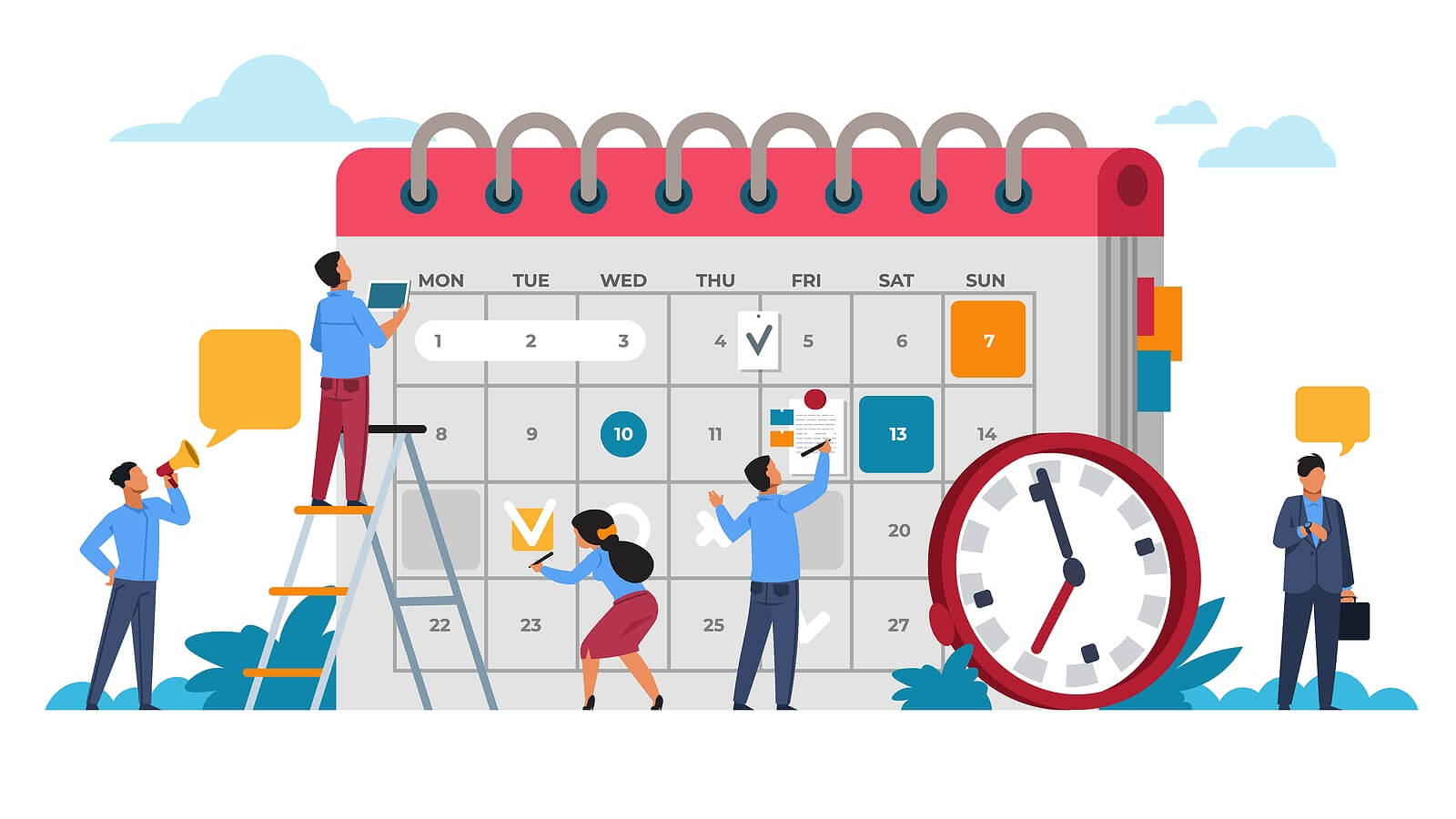
Pre-event preparation books meetings. On-site execution converts meetings into pipeline. Conference execution determines whether systematic preparation produces results.
Building Realistic Meeting Schedules
Schedule 8 to 12 meetings per conference day. More creates delays and rushed conversations. Fewer wastes prepared opportunities. Each meeting requires 30 to 45 minutes including buffer time.
Block mornings and late afternoons for meetings. Mid-day conflicts with keynotes that prospects attend. Early slots capture people before event chaos. Late afternoon works because energy drops and focused conversations beat expo hall wandering.
Leave 15-minute gaps between meetings. Back-to-back scheduling fails when conversations run long. Buffer time prevents schedule collapse.
Track confirmed meetings in spreadsheets. Names, companies, times, contact methods. Phone reminders fail at conferences. Visible schedules enable quick reference without app juggling.
Fixed Meeting Locations
Never suggest "let's meet at the conference." That approach guarantees wasted time and missed connections. Pick two fixed locations near the venue. Coffee shops, hotel lobbies, specific expo hall spots.
Fixed locations eliminate coordination friction. Both parties know exactly where to go. No crowd searching or "where are you?" messages. This matters more as venues get larger.
Reference locations in every confirmation message. Send morning reminders with exact addresses and times. This reduces no-shows significantly versus vague meeting plans.
Reconfirm locations one hour before later meetings. Conference days create chaos. People forget details. Quick messages keep everyone aligned.
Direct Contact Platforms
Event apps fail for real-time coordination. Notifications get buried. Response times lag. Switch to direct messaging platforms after initial contact.
LinkedIn works for professional contacts from pre-event outreach. WhatsApp and Telegram work better for on-site coordination. Ask for contact preferences during first conversations and move communication there.
Send meeting confirmations the night before. Simple messages with time and location. This ensures people remember meetings and haven't double-booked.
Use direct contacts for last-minute adjustments. Running late? Message directly. Location change? Instant update. These platforms enable real-time problem solving.
Managing No-Shows and Changes
No-shows happen at every conference. People get pulled into other meetings. Flight delays occur. Sessions run long. Plan for 20% to 30% cancelation rates.
Keep backup lists of people to contact when meetings fall through. Walking expo halls without plans wastes time. Having three to five backup targets allows immediate pivots when schedule gaps appear.
Reschedule canceled meetings immediately for later that day or next day. Most cancelations are logistics issues, not interest problems. Offering alternatives converts 60% to 70% of canceled meetings.
Follow up with no-shows after the event. Reference missed meetings and suggest video calls. Some become qualified conversations despite missed in-person opportunities.
Side Events Generate Better Opportunities
Side events create better conversations than expo floors. Dinners, cocktail hours, private gatherings allow longer discussions without conference chaos. These settings build relationships that produce pipeline.
Organize your own side event when budget allows. Invite 10 to 15 targeted prospects for dinner or drinks. The investment pays off through quality conversations that rarely happen during official hours.
Accept other side event invitations selectively. Focus on gatherings where target audiences attend. Random networking events dilute time from scheduled meetings.
Side events extend conference lead generation beyond official hours. They turn three-day events into week-long relationship opportunities. Strategic companies allocate budget and time specifically for these activities.
Post-Event Follow-Up Strategy
Follow-up determines pipeline outcomes. Most companies fail post-event execution. Not from forgetting to follow up. From following up incorrectly.
Why Immediate Follow-Ups Fail
Most advice online recommends following up within 24–48 hours. In reality, this is exactly why most follow-ups get ignored. Think about your own behavior after a conference. You’re either on your way back, sitting in an airport, or just got home after several intense days of meetings and constant communication. Your inbox is full. Internal tasks are piling up. You’re trying to catch up with your team before even thinking about new conversations.
This is not the moment when you carefully go through follow-up messages from people you just met.
That’s why immediate outreach often gets lost. It’s not about lack of interest — it’s about timing.
A more effective approach is to wait 3 to 5 days. By that point, people have processed the event, cleared urgent work, and returned to their normal workflow. The context is still fresh, but the noise is gone.
This is where your follow-up actually gets seen — and answered.
Immediate outreach feels generic. Everyone sends "great meeting you" messages day one. Delayed contact allows personalized references. Specific conversation details. Unique touchpoints that cut through noise.
Segmented Follow-Up Execution
Segment contacts into qualified prospects and relationship connections. Different categories require distinct approaches.
Qualified prospects get specific conversation references. Conference location mentions. Unique discussion details. Concrete next steps within two weeks. Video calls, not vague check-ins.
Relationship connections receive LinkedIn requests with event notes. No immediate asks. Future referral sources. Long-term opportunity development.
Skip "checking in" entirely. Offer value instead. Relevant resources. Useful introductions. Specific solution angles worth exploring together.
Missed Connection Strategy
Planned meetings that never happened represent missed pipeline. Target list reasoning remains valid post-event.
Contact within the same 3 to 5 day window. Reference shared attendance. Frame as "both at [Event] but missed connecting." Suggest call alternative.
15% to 25% conversion rate from missed meetings to calls. Attendance signals serious intent. Event context provides credibility cold outreach lacks.
Event Context Utilization
Event context drives reply rates. Reference specific conferences, not generic "the event."
Name venues. Cities. Memorable sessions. Details trigger memory. Prove actual attendance. Generic references signal mass outreach.
"Saw you at [Conference] in Austin" outperforms "following up from conference." Specificity beats vague references.
Mention mutual connections from event. "Met [Name] from your team at networking dinner" creates instant credibility. Shared experiences reduce psychological distance.
Attendee List Campaign Extension
Attendee lists extend beyond conference dates. Foundation for month-long outbound campaigns.
Export full list. Remove contacted individuals. Remaining contacts form warm audience. Attendance signals industry interest.
Build outbound sequence. First message: conference reference. Second message: role-relevant value. Third message: meeting proposal.
Three-day event becomes month-long pipeline generator. Conference validates outreach approach. Mutual attendance commitment increases response rates 30% to 50% above cold outbound baselines.
Track message performance. Test subject lines with event names. Measure against standard campaigns. Conference-based outbound consistently outperforms cold lists.
Turning Conferences Into a Predictable Lead Generation Channel
Why Conferences Should Be Treated as Outbound
Conference success requires an outbound campaign structure. Most companies attend events hoping for random connections. This approach fails consistently. Conferences produce a pipeline when executed like systematic outbound programs.
This approach aligns with how modern B2B companies combine inbound and outbound strategies to build predictable pipelines — rather than relying on a single channel. If you're still deciding how to balance both, here's a breakdown of outbound vs inbound B2B lead generation.
The process mechanics remain identical to cold campaigns. Build target lists. Research prospects. Execute personalized outreach. Schedule meetings. Run conversations. Follow up systematically. Location changes from video calls to face-to-face meetings.
For companies that don't have internal resources to build this system, working with a dedicated partner can significantly accelerate results. This is exactly how structured B2B lead generation services help turn conferences into a predictable pipeline channel.
Companies applying outbound frameworks to events book 60% to 70% of meetings before arrival. They track the pipeline from each conversation. They measure ROI against registration costs. Conference lead generation becomes predictable through systematic execution.
How to Combine Events With LinkedIn and Email
Events amplify existing outbound channels. LinkedIn and email outreach gains 30% to 50% higher response rates when tied to conference attendance. Shared event context validates outreach messages.
Run parallel campaign sequences. LinkedIn outreach begins two weeks before events. Email sequences target missed connections one week after. Extended outreach to full attendee lists continues 30 days post-event. The conference validates every message.
This creates three distinct revenue opportunities. Pre-event meetings. On-site conversations. Post-event campaigns. Each channel reinforces the others. LinkedIn connections convert to warmer email recipients.
How to Build Pipeline From Each Event
Track conference metrics like outbound campaigns. Meetings scheduled. Conversations completed. Follow-ups sent. Opportunities created. Revenue closed. Measurement eliminates guesswork.
Set pipeline targets before registration. $5,000 conference investment should generate $150,000 to $200,000 pipeline based on standard B2B conversion rates. Skip events where math fails.
Build repeatable systems across events. Consistent outreach templates. Standardized meeting workflows. Systematic follow-up sequences. Predictable results come from process consistency.
Ultimately, conferences should not be treated as one-off opportunities, but as part of a larger system. If your goal is consistent revenue, the focus should be on building a predictable pipeline — not chasing isolated meetings. Here's a breakdown of how to build a predictable B2B sales pipeline.
Conclusion
Conferences generate pipeline when executed as outbound campaigns. Pre-event targeting books qualified meetings. On-site execution converts conversations to opportunities. Post-event sequences close deals.
Companies measuring conference ROI against outbound metrics achieve predictable results. Track meeting conversion rates. Measure pipeline generation. Calculate revenue per event. Skip conferences where projected returns fall below thresholds.
Most companies leave conferences with contacts. The best ones leave with pipeline. Execute these protocols at your next event. Build prospect lists 14 days before attendance. Book 8-12 meetings prior to arrival. Follow up within 72-120 hours post-event. Convert attendee lists into extended outbound campaigns running 4-6 weeks beyond the conference dates.
If you're looking to turn your next event into real pipeline — not just conversations — Virtuwise helps B2B companies build and execute conference lead generation systems that consistently convert meetings into deals.